3 Ways to Educate Tourists on Ocean Sustainability
Our planet is precious — yet we live in an age where we’re in a climate crisis, with human behaviour contributing to the disintegration of important ecosystems. Unfortunately, a common threat is tourism. We all love to go away and explore new countries — the world is more accessible than ever before — but doing so without thought for the environment can have negative consequences.
It’s not true to say that all tourism is bad, however. Careful, considerate tourists who have respect for the places they’re visiting can even be a positive thing, helping bring money that supports local economies without causing harm. They can also act as ambassadors, sharing what they see and raising awareness of ecological issues. So, how can we make sure that a higher percentage of tourists are educated about ocean sustainability? Let’s take a look.
Include educational talks in activity experiences
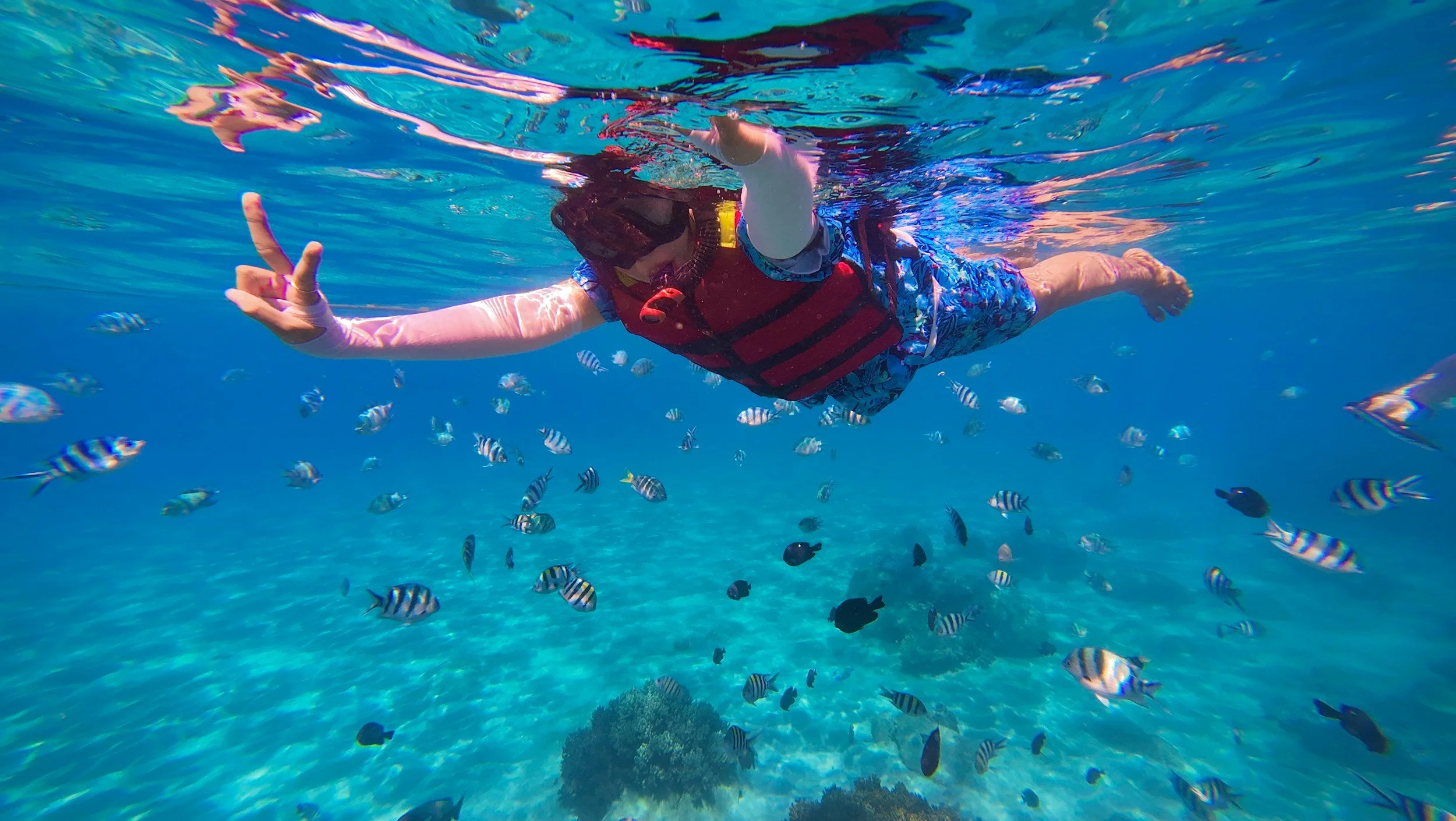
Many tourists come to visit the ocean to take part in water activities, such as diving or snorkelling. They’re clearly interested in the ocean — but how much do they actually know about it?
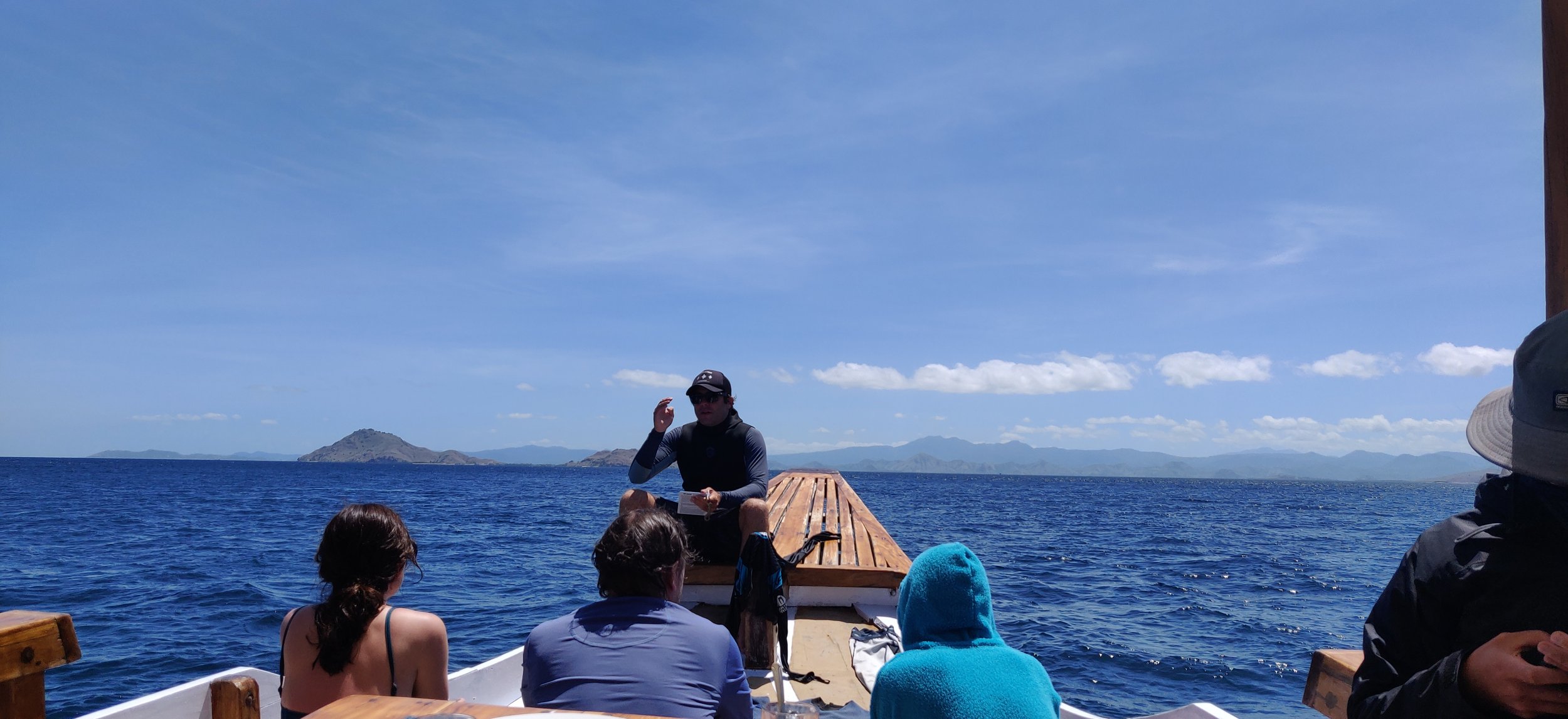
Full-day activities in particular provide a chance for tour operators to include a short talk on sustainability, perhaps over the lunch period when guests are taking a break from the activity itself. You can even talk about how activities such as diving can actually help ocean conservation when done correctly.
If appropriate, it might even be possible to include an activity such as a beach cleanup as part of the day, providing a chance to take action and make a difference right there and then.

Create impactful displays
Sometimes it can be hard to grasp the scale of some of the ocean sustainability facts and figures. Key statistics such as the fact that eight million tonnes of plastic enter the ocean each year — but as humans, we can struggle to grasp what that means for us as individuals.
Creating impactful sculptures or displays from ocean plastic or showcasing how the shoreline is changing can help tourists better understand the issue at hand. The sight of seeing all the plastic on display, as well as sharing information about the specific area they’re visiting, is much more striking.
If you don’t feel like reinventing the wheel, display educational materials such as posters, signs and infographics available for free on Green Fins website.
Model eco-behaviours – and explain the story behind them
We can’t expect tourists to learn about eco-friendly behaviours and practice them if we don’t model them ourselves. Hotels, shops, restaurants and experience providers all have a role to play in eco education, especially when they’re contributing to the problem.
Small changes, such as making some hotel toiletries available on request at reception, rather than filling the room with single-use products, or incorporating refill stops on day tours to avoid single-use plastic bottles, can all help. Restaurants can have a seasonal fish option, or aim to stock only (or a percentage of) locally sourced ingredients.
Equally, dive operators should highlight the importance of using reef-friendly sunscreen in their booking confirmation emails, and promote a ‘no-touch’ approach to diving. Becoming a certified Green Fins member can help promote responsible diving, as well as make it easier for tourists to choose a sustainable provider.
Whatever the action is, the story behind it will help heighten the impact. Knowing the amount of plastic saved in the hotel, for example, or showcasing the low number of miles the fish in a restaurant has travelled, will stick in the mind far more than just the action itself. In order to get tourists on board with ocean sustainability, we need to tell them the story of why it matters.
A collective responsibility
Protecting the planet is a responsibility we all share. If we want to continue to enjoy underwater holidays worldwide and experience the wonder of the ocean, we need to get serious about ocean protection. So, get started by following these tips in order to share the story of sustainability far and wide, and make sure to use initiatives such as Green Fins to guide your own eco efforts.